What to Eat when Cutting
Could you eat more food with fewer calories?
As contradictory as this question sounds, there are definitely some foods that are densely packed with more calories than most people would guess. On the contrary, there are also foods that carry relatively few calories for a surprisingly high volume. The misleading truth is that many foods marketed as being “healthy” are actually quite high in calories because of their fat content. This is because fat, saturated or not, holds 9 calories per gram while the other two macronutrients only have 4 calories per gram.
In this article, I’m going to break down several food substitutions that you can quickly and easily apply to your preferences and goals.
Calorie-dense foods
When trying to cut, these types foods can make it more difficult to stay in a deficit.
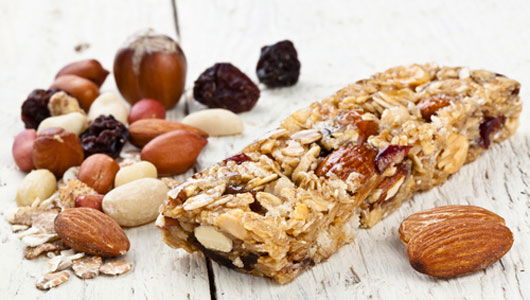
As I mentioned earlier, fatty foods pack a punch when it comes to calories whether it’s healthy fats or not. Most foods that are marketed as nutrient dense energy boosters, like granola bars and trail mix, are great for racking up calories quickly in just a few bites. Many people aren’t aware that anything involving nuts will be extremely high in calories. Peanut butter is my personal favorite with almost 100 calories per tbsp. Soups and pastas can be a great source of carbs and protein, but any cream based sauce will contain an impressively heavy load. Any oils or butters used in food preparation also skyrockets the fat content, adding invisible calories to even the healthiest meal. Dried fruits are another sneaky jolt of calories due to all the oils used in the drying process. Speaking of fruits, avocados and coconut are often tagged as “healthy” but carry more calories than they’re worth in most cases. It’s also worth noting that anything eaten at a restaurant will be much more calorie-dense than almost anything you’d prepare at home because of the oils, butters and creams that restaurants add for taste.
Low-calorie foods
Now that we’ve established the synonymous relationship between energy-filled, nutrient-dense, and calorie-dense, lets discuss some types of surprisingly low-calorie foods that can make a caloric deficit far more achievable.
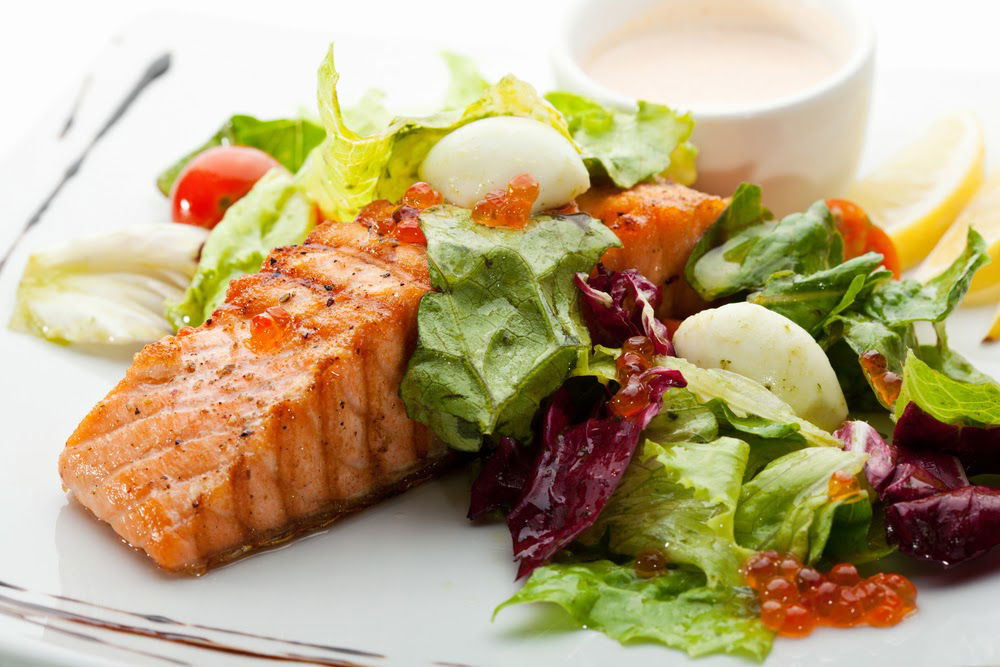
This is one case where some traditional weight-loss advice holds true. Colorful vegetables like broccoli, green beans, asparagus, celery, spinach, kale, carrots, and peppers are valuable sources of micronutrients that fill you up with very few calories. Most fruits offer impressive volume for their calories because they’re basically all carbs and no fat, with the exception of coconut, avocado, and dried fruits. When it comes to dairy products, low-fat and fat free options will shave off quite a few calories while still giving you the protein, calcium, and other vital nutrients. Almost all of the fat in eggs is in the yoke. Choosing egg white options will give you another solid dose of protein with much less fat than the alternative. Concerning starches and fibrous carbs, high-volume options include wheat bread, rice, oats, quinoa, and any form of potatoes that aren’t fried. There are actually a couple brands that make 35 calorie slices of bread, which is half the calories of normal wheat bread. Certain meats have inherently high protein content for the calories they contain. These lean protein options, as addressed in Macronutrients, include chicken, turkey, tuna, and any fish that isn’t fried.
The bottom line - Cutting down does not have to be miserable. While there are no specific foods that make you gain fat, here are certain foods that make it difficult to remain in a caloric deficit because of their energy density. If you're struggling to reach a caloric deficit for weight loss, lean towards colorful vegetables, lean meats, and low-fat carb sources.
I'm sure you have some experience, opinions, or questions about this. It’s your turn to let me know what you think!
What are your goals?
What’s holding you back?
What questions do you have?
Whatever is on your mind, connect with me on Instagram, Facebook, Twitter, and LinkedIn, or email informedfit@gmail.com.
